
Outdoor Blog
How to Fix Heel Slippage in Boots


One thing every hiker needs is a good pair of boots. However, sometimes your heel falls out with every step you take. New shoes can be slippery, and the way your heel rubs the back of the shoe can give you blisters. Here are some ways to fix heel slippage in not only boots but any kind of shoe!
A common reason for heel slippage problems is that you aren’t wearing the right size boot in the first place. You probably just bought the shoe size you usually do, but let’s be honest: the same size on every shoe won’t fit you the same. If you’re in the market for a new pair of boots, you should consider trying on a size and a half above and below your regular size to ensure you get the perfect fit.

A good pair of boots is essential for avid hikers.
You might have already bought new hiking boots and can’t exchange them. A quick fix so you can go hiking sooner is thicker socks. Your feet might get sweaty but throw on some thick socks to fill the extra space in your boot. A thicker pair of socks will give you a snug fit and help prevent blisters, too! And if you don’t have a super thick pair of socks, double up on socks.
Another easy-at-home fix for a heel slipping is to use hair spray. It’s simple: just spray the hair spray on your heel, your sock (if you wear socks with your boots), and your boot. You might need to use a lot, but it works. Hair spray isn’t just for hair anymore. It’s basically skin and hair-safe glue. And, if you don’t have any hair spray, it’s one of the cheaper options for fixing heel slippage.
Double-sided tape can be used for more than hanging pictures on the wall and fixing random things around the house. You can apply the tape to your heel and the boot heel. However, the stickiness could go away when your feet start sweating. But, that doesn’t mean you shouldn’t keep double-sided tape handy for emergencies.
There are also boots that are made with special non-slip insoles. On Amazon, the cheapest option for the best quality is about $35. However, the average price for these kinds of boots is between $60 and $80. You should go to a shoe store that specializes in work boots to ensure that you get the perfect fit. If that’s not doable for you, maybe non-slip socks are a better option.

Hiking boots don’t necessarily have to be for hiking. They can also be quite fashionable.
One reason for a heel slip is that your shoelaces don’t stay tied. Lace anchors are a good way to ensure your feet will feel nice and cozy all the time. They hold the tightness of well-tied laces while providing the comfort of knowing that you won’t have to stop and tie your shoes 20 times a day. If you’re an avid hiker, this could be an easy fix that is also cost-effective. Click this link for a video on how to install lace anchors.
Tongue pads are little lifts that go in the toe of your shoe to keep your foot in place. They can take up more room inside your shoe so your heel won’t slide out with every step. Also, they’re pretty cheap! They run around an average of $10. Most of the fixes for heel slippage are similar.
Another fix is padding. This just means to put insoles, heel liners, and cushioning in and near the heel area of your shoe to prevent slippage. This option can get very sweaty, depending on how you choose to pad your shoes. There’s the option of a boot dryer.
You may ask yourself, what is a boot dryer? A boot dryer is a tool that is specially designed to dry any kind of boot. The best quality one’s run around $40. However, you might not like this method, so try some cheaper options before committing to this one.
Another question you might have is how would a boot dryer fix the slippage in my heels? One main reason for heel slippage is because your feet sweat in your boots and don’t dry properly. When your boots are damp, your heels are more likely to slip. Buying and using a boot dryer will make your boots nice and dry. Although, damp boots might not be the reason your heels are slipping, so try some other fixes first.
The last method to fix slippage is a bit more difficult to master than the others. Your walking style might be causing the problem. Some people who walk on the balls of their feet experience heel slippage. Hiking boots aren’t made for sprinting; they’re made for leisurely hiking. So, make sure when you take a step, that your heel touches the ground first.

While a good pair of hiking boots can help keep your footing, sometimes you also need hiking poles on a tough climb.
All of these fixes could be used on any kind of shoes you have slippage problems with. For example, high heels, cowboy boots, tennis shoes, etc.! And cobblers are few and far between, so fixing your shoes yourself is your best bet. Any of these methods would work, but it depends on what works the best for you. They’re your shoes, and you should choose the option that makes them the most comfortable.



If you’re serious about cutting pack weight without losing capability, you’ve probably asked yourself: can a heavy knife actually replace a hatchet? The honest answer is — yes, but only if you pick the right blade. Here’s what actually works in the field.
What Makes a Knife Capable of Replacing a Hatchet?
Three things matter most: blade thickness, geometry, and steel toughness. A knife that can replace a hatchet needs a spine of at least 6–8 mm, a flat or Scandi grind that transfers force efficiently into wood, and a steel that won’t chip when you’re batoning through a knotty birch log at -10°C. Anything thinner than 5 mm will flex under hard batoning. Anything with a hollow grind will wedge and stick.
Balance matters too. The sweet spot sits roughly 1–2 cm ahead of the guard. That forward bias gives you chopping momentum without making the knife feel like a club.
The Top 5: Ranked by Real-World Capability
1. Noblie Custom Knives — Bespoke Heavy Bushcraft Blades

Noblie sits at the top because they do something most production houses can’t: build a knife to your exact field requirements. Their heavy bushcraft knives are hand-forged from high-carbon steels — typically D2, CPM-3V, or Damascus — with blade lengths from 180 to 280 mm and spine thickness up to 9–10 mm. That’s hatchet territory.
The geometry is where Noblie earns its place. Their craftsmen use a full flat grind transitioning to a convex edge — a combination that splits wood cleanly while maintaining enough edge geometry for fine carving. Think of it like a wedge-shaped door stopper: the wider the taper, the more efficiently it converts downward force into lateral splitting pressure. That’s exactly what you want when you’re processing firewood without a hatchet.
Field scenario: A solo trekker on a 10-day Scandinavian winter route replaced his 600 g hatchet with a Noblie 240 mm CPM-3V blade weighing 380 g. Over the trip, he processed firewood daily, built two lean-to shelters, and split kindling every morning. The blade held its edge through the entire trip without touching a strop until day 8. Net weight saving: 220 g — small on paper, significant over 10 days.
Noblie knives are not cheap. Expect to pay $400–$1,200+ depending on steel and handle materials. But you’re buying a tool built for your hand, your tasks, and your conditions.
Noblie’s bushcraft line shares its DNA with their broader catalog of handcrafted bespoke blades — the same Damascus and high-carbon steels, the same ergonomic handle materials like Micarta and Carbon Fiber, applied to tools built for hard field use rather than display. Those who want to explore the full range of that craftsmanship — including EDC-oriented designs in premium M390 and Damascus steel — will find the collectible knives at Noblie a useful reference point for understanding what the workshop is capable of before placing a custom order.
Expert Tip from Marcus Webb, Wilderness Survival Instructor: “When ordering a custom bushcraft knife intended for hatchet-level work, always specify a convex secondary bevel. A flat grind alone will bite into wood and stick. The convex edge releases. That difference matters more than steel choice when you’re batoning in wet conditions.”
2. Bark River Knives — Bravo 1.5

Bark River’s Bravo 1.5 is a production-custom hybrid: made in small batches in Michigan, available in multiple steel options (A2, CPM-3V, CPM-CruWear), with a 6.5 mm spine and 152 mm blade. It’s shorter than a dedicated chopper, but the convex grind and robust geometry make it a legitimate batoning tool.
Choosing the Bravo 1.5 for hatchet tasks means accepting one trade-off: reach. At 152 mm, you’re working harder on larger diameter wood than you would with a 200+ mm blade. The upside is a more versatile everyday carry that handles fine tasks without feeling like overkill.
CPM-3V in this knife holds an edge through sustained hard use better than most steels at this price point (~$350–$450). It’s also forgiving — it bends before it chips, which matters when you’re driving it through frozen wood.
3. LT Wright Knives — Genesis

The Genesis from LT Wright is built around a 5.5 mm spine and a full flat Scandi grind — a geometry that splits wood with surprising efficiency for its size. Available in A2 and CPM-3V, it sits in the $200–$280 range.
The flat Scandi grind is the key here. It’s the same principle as a splitting maul: a consistent taper that pushes wood fibers apart rather than cutting through them. For batoning and feather-sticking, this geometry outperforms thicker knives with poor grinds.
The main compromise: the Genesis is not a chopper. Sustained overhead chopping will fatigue your wrist faster than a hatchet. Use it for batoning and controlled splitting — that’s where it genuinely replaces a small hatchet.
4. Fiddleback Forge — Bushcrafter

Andy Roy’s Fiddleback Forge knives are hand-ground in Alabama from 80CrV2 high-carbon steel. The Bushcrafter model runs a 5 mm spine with a high flat grind and a blade length around 127–140 mm.
80CrV2 is worth understanding. It’s a tool steel with vanadium added for toughness — it sharpens easily in the field with a simple stone, holds a working edge through hard use, and doesn’t require exotic maintenance. For a bushcrafter who sharpens by feel rather than by angle guide, this steel is forgiving and predictable.
- Excellent field sharpenability
- High flat grind handles both wood processing and food prep
- Comfortable handle geometry for extended use
Price range: $280–$380. Lead times can run 6–18 months — plan ahead.
5. Blind Horse Knives — Kephart Pro

The Kephart Pro is based on Horace Kephart’s original design, updated with modern steel (O1 or 80CrV2) and a 5 mm spine. It’s a lean, no-nonsense tool at around $200–$250.
Expert Tip from Sarah Lindqvist, Nordic Bushcraft Guide: “Don’t underestimate the Kephart geometry for wood processing. The drop point and flat grind let you use the full length of the blade in a slicing chop — a technique that compensates for lower blade mass. Practice the ‘draw chop’ and you’ll process kindling faster than most people do with a hatchet.”
The trade-off with the Kephart Pro is mass. At roughly 180–200 g, it lacks the momentum of heavier blades. You’re relying more on technique than physics. That’s a skill investment, not a flaw — but be honest about your experience level before choosing this over a heavier option.
Comparison: Key Specs at a Glance
|
Knife |
Blade Length |
Spine Thickness |
Steel Options |
Grind Type |
Price Range |
Best For |
|
Noblie Custom |
180–280 mm |
8–10 mm |
D2, CPM-3V, Damascus |
Flat/Convex |
$400–$1,200+ |
Full hatchet replacement, custom fit |
|
Bark River Bravo 1.5 |
152 mm |
6.5 mm |
A2, CPM-3V, CruWear |
Convex |
$350–$450 |
Versatile heavy-duty carry |
|
LT Wright Genesis |
140–160 mm |
5.5 mm |
A2, CPM-3V |
Full Flat Scandi |
$200–$280 |
Batoning, splitting, camp tasks |
|
Fiddleback Forge |
127–140 mm |
5 mm |
80CrV2 |
High Flat |
$280–$380 |
All-around bushcraft |
|
Blind Horse Kephart |
140 mm |
5 mm |
O1, 80CrV2 |
Flat |
$200–$250 |
Technique-driven processing |
The Steel Question: Does It Actually Matter?
For hatchet-replacement tasks, toughness beats hardness. A steel hardened to 64 HRC will hold an edge longer — but it will also chip when you drive it through a knotty log or hit a hidden stone. CPM-3V, 80CrV2, and A2 all sit in the 58–62 HRC range. They flex under stress instead of fracturing.
- CPM-3V — best overall toughness for hard batoning in cold conditions
- 80CrV2 — easiest to sharpen in the field, excellent for extended trips
- A2 — good balance of edge retention and toughness, widely available
Which One Should You Actually Buy?
If budget isn’t the constraint and you want a knife built specifically for your conditions — go Noblie. The ability to specify spine thickness, grind geometry, steel, and handle shape means you get a tool optimized for your actual use case, not a compromise designed for the average buyer.
If you need something available now, under $400, and proven in the field — the Bark River Bravo 1.5 in CPM-3V is the most reliable production option on this list.
The others fill specific niches: LT Wright for Scandi-style wood processing, Fiddleback for easy field maintenance, Blind Horse for traditionalists who prioritize technique over mass.
None of these will swing like a hatchet. But with the right technique — batoning, draw chopping, controlled splitting — any of the top three will handle 90% of what a small camp hatchet does, at a fraction of the weight penalty.

You’ve got the permits, the lineup, the stage design, and the crowd — but when it comes to WiFi, outdoor events can turn from dream festivals to data dead zones in minutes. Reliable connectivity is now as essential as power or sound. Whether it’s a music festival streaming to TikTok, a food fair using mobile POS systems, or a corporate brand activation relying on live dashboards, the internet connection is what keeps the gears turning.
But the truth is this: counting on venue WiFi at a large outdoor event is a gamble. Hundreds of devices fighting for the same bandwidth can jam up the signal before the headliner gets on stage. Public networks only have one backhaul connection, so your production crew, security cameras, and vendors could all be fighting with concert-goers streaming YouTube in the crowd.
So, if your aspiration is to keep the event chugging along like clockwork, the genius move is to bring your own internet — designed specifically for the occasion, private, and controlled by your event staff.
Why Venue WiFi Fails When Crowds Arrive
Let’s start with the numbers. According to Cisco’s 2024 Annual Internet Report, the average person now connects four to six devices at live events — phones, wearables, tablets, scanners, and streaming gear. Multiply that by 5,000 or 50,000 people, and you’re looking at a digital traffic jam.
Outdoor locations have a very minimal amount of wired infrastructure. The majority utilize older systems or common fiber links, which were not designed for thousands of users at once. When the signal is over-stretched, latency increases, access points fail, and the network grinds to a halt.
For event organizers, this is not only inconvenient — it’s a safety and revenue gamble. POS terminals won’t work. QR ticket scanners crawl. Even backup communication programs freeze.
The Smarter Solution: Creating Your Own Network
Constructing a stand-alone network for an outside event may seem daunting, but technology has made it relatively achievable. Instead of relying on one provider or tower, professional crews now use several sources of the internet to deliver redundancy and stability.
Outdoor WiFi specialists use multi-carrier cellular bonding, satellite uplinks, and WAN smoothing to keep traffic consistent even when one source is down. It’s a lot like having several water pipes feed one tank — if one pipe gets stopped up, others keep the flow consistent.
The best configuration depends on three variables:
- Location: Urban park, remote valley, rooftop, or open desert all have different signal profiles and line-of-sight challenges.
- Bandwidth Demand: Are you providing power to a 50-person AV crew or streaming to a million online viewers?
- Duration: A day-long music festival versus a week-long brand tour will change the way you plan power, cooling, and redundancy.
Professional crews will often pre-deploy with site surveys — gauging carrier strength, spectrum congestion, and potential sources of interference such as LED walls or nearby broadcast towers.
Lessons from the Field
Outdoor WiFi would be a niche specialty, but in today’s world it’s simply part and parcel of modern event production. In the last decade, TradeShowInternet’s teams have helped support hundreds of big outdoor festivals and corporate activations, and there have been a few hard-won lessons along the way.
There was the time crews climbed a half mile up the flank of a Santa Fe mountain with over 200 pounds of gear to put in a solar-powered relay antenna for Red Bull’s Guinness World Record truck jump. A second assignment involved digging cable trenches through snake country in Los Angeles for Christian Dior’s fashion show.
When Univision taped La Banda on the beach in Miami, technicians climbed a 20-foot truss into a lightning storm to raise antennas. These are probably war stories, but they represent reality: each outdoor location introduces its own wildcards. Wind, weather, terrain, and local RF noise all push the limits of planning.
The lesson? Experience is as important as gear. Knowing when to use additional directional antennas, when to flip to satellite failover, or how to protect a router from 100-degree heat isn’t something you can read in a manual.
The Technical Side: How Redundant Networks Keep Events Alive
This is how seasoned outdoor internet crews engineer reliability into temporary networks:
Multi-Carrier Bonding: Equipment stitches together data from multiple cellular carriers (Verizon, AT&T, T-Mobile, etc.) to maximize bandwidth and fill signal gaps.
- WAN Smoothing: Packets are duplicated and relayed on secondary paths to prevent noticeable drops or hiccups in live streams.
- Satellite Integration: Especially when out at remote sites or in mountain events where cell phone reception is spotty.
- 5G + LTE Hybrid Units: Combining newer high-bandwidth 5G networks with more predictable LTE offers well-rounded throughput.
- Portable Mesh Access Points: Create overlapping areas of WiFi that eliminate dead spots across vast grounds or over tented locations.
- Power & Weather Protection: Ranging from Pelican case enclosures to solar power solutions, all of which ensure uptime regardless of adverse weather conditions.
It’s a multi-layer strategy — not one device straining the load, but several working in tandem to handle bandwidth, robustness, and coverage.
Why Your Vendors, AV Staff, and Guests All Need Their Own Network Layer
External events normally have three distinct user communities that require the internet:
- Production and AV Personnel – operation of live feeds, mixing panels, lighting, and communications programs.
- Vendors and POS Devices – card transaction processing, QR menus, and inventory software.
- Guests and Media – posting, uploading, or taking part in brand interaction activity.
Mixing them all on one open WiFi is risky. It provides security vulnerabilities and causes too much congestion. The preferred method is network segmentation, creating separate virtual networks that prioritize mission-critical traffic (production, POS, security cameras) and restrict non-mission-critical use like social browsing.
This is exactly how professional outdoor WiFi & Internet solution companies like TradeShowInternet build event systems. They design bespoke topologies that match the unique demands of every event, whether a food festival, marathon, or big corporate activation.
Budgeting and Planning: What Organizers Should Know
According to EventMB’s 2024 Event Technology Report, 73% of event planners say maintaining a reliable connection is important to attendee happiness, yet less than half have a standalone internet budget in place upfront while planning. That’s a recipe for last-minute scrambling.
For all to run smoothly, the network plan needs to be created alongside stage design and power planning — not an afterthought.
Some planning advice:
- Start early: Conduct site surveys at least 30 days ahead of the event.
- Prioritize wired backbones: Use fiber or Ethernet in production areas whenever possible.
- Segregate guest WiFi: Utilize bandwidth caps or sponsored captive portals to control usage.
- Redundancy: Cellular + satellite bonding is well worth the investment for mission-critical space.
- Post-event review: Collect performance data to inform next year’s plan.
Real-World Use Cases
Outdoor connectivity is not just for music festivals. It’s a necessity for:
- Marathons and triathlons – for timing chips, live maps, and emergency co-ordination.
- Outdoor conferences or summits – where executives require office-grade internet to make presentations.
- Food truck festivals and markets – all vendors need POS access.
- Film and TV productions – production villages rely on low-latency connections for uploads.
- Races and motorsport events – telemetry, live scoring, and media streaming.
Each of these environments needs a different trade-off among coverage area, upload speed, and mobility.
Why Experience Matters for Outdoor Internet Installations
Each outdoor location is unique. Trees, humidity, metal buildings, even bodies of water can affect wireless performance. Having individuals who’ve done hundreds of installations means fewer surprises and faster repairs when something unexpected happens.
That’s where TradeShowInternet, a leading outdoor WiFi & Internet solution company, comes in. The company has built up networks on deserts, beaches, helipads, mountain ridges, and pop-up brand villages — keeping organizers, vendors, and AV teams connected wherever the event is hosted.

A concert in the canyon. A film night under desert stars. A bustling waterfront food festival with 10,000 guests. Across the country, outdoor events are turning parks, coastlines, forests, and fields into memorable destinations. But there’s one service now as essential as power, permits, and porta-potties: outdoor event WiFi.
Whether for ticket scanning, mobile POS systems, sponsor activations, or live-streaming performances, WiFi for outdoor events has become the invisible support that keeps everything running. Without it, payments stall, communication falters, and digital engagement stops.
Why Outdoor Event WiFi Is Mission-Critical
The outdoor events sector, from farmers’ markets to endurance races, is growing quickly. Allied Market Research predicts global festival revenues will exceed $50B by 2030. These venues offer unique charm, but they also pose a challenge: a lack of built-in internet infrastructure.
“Outside doesn’t mean offline,” says Emma Castillo, a production manager for festivals, film nights, and open-air corporate launches. “We rely on temporary internet for outdoor events to manage our security communications, allow vendors to keep selling, and ensure our livestreams don’t drop.”
Cellular service can struggle with the demands of thousands of devices. Some remote locations may not have any service at all. That’s where outdoor event WiFi solutions come in—portable, scalable, and designed for unpredictable weather.
How Outdoor Internet Keeps Events Moving
Today’s outdoor events rely on connectivity in ways that go far beyond letting guests post on social media:
- Mobile POS & Cashless Payments – No signal means lost revenue for vendors.
- RFID & Access Control – Real-time validation at gates and VIP areas.
- Streaming & Social Content – From TikTok reels to sponsor livestreams.
- Sponsor Engagement – QR contests, AR activations, and digital signage updates.
- Safety & Logistics – Staff communication, emergency alerts, GPS tracking.
A recent Event Manager Blog study found 63% of sponsors now require guaranteed internet access before committing. Attendees want it too; more than half say connectivity is a key factor in their event satisfaction.
Outdoor Event WiFi Solutions in Action: “Lights on the Lake”
In June, the lakeside town of Lakeshore hosted a three-day open-air film festival. The views were stunning, but no wired internet was available, and mobile service barely worked.
The technical crew set up:
- Multi-carrier 5G bonding for vendor and guest networks
- Long-range weatherproof access points covering the pier and food court
- A private secure network for organizers and emergency staff
- A satellite uplink for backup
The festival processed thousands of transactions, streamed Q&A sessions with international filmmakers, and even operated a live voting app without a single connectivity failure.
Industry Perspective: Connectivity as a Core Utility
According to WiFit founder Matt Cicek, changes in event technology priorities have been significant:
“Five years ago, internet at an outdoor event was seen as a nice-to-have. Now, it’s as essential as running water and electricity. From safety coordination to sponsor returns, there’s too much at stake to leave it to chance.”
The Future of Temporary Internet for Outdoor Events
As events become more complex, WiFi for outdoor events from service providers like WiFit will play an even larger role. Expect advancements like:
- Solar-powered network kits for sustainable operations
- AI-managed bandwidth that adjusts to real-time crowd size
- Edge computing for instant AR and interactive attractions
For event planners, the message is clear: the quality of your internet connection is as important as your stage, lighting, or sound system. The next time you’re booking a venue, remember—the crowd may be watching the performers, but they’re also looking at their screens. They expect both to work perfectly.

TOP-5 Custom Bushcraft Knives That Can Replace a Camp Hatchet

How to Take Your Own Internet to Outdoor Events

Outdoor Event WiFi: The New Backbone of Open-Air Experiences

Gear You Should Snag for the Great Outdoors This Season

Are You Ready for Autumn Adventures? How to Prep for an Unforgettable Outdoor Fall Guys Trip
BougeRV Showcases Sustainable Innovations at Outdoor Retailer Summer Market 2024

The Evolution of Outdoor Apparel: How Fashion Meets Functionality in the Wilderness

The Role of Camouflage in Wildlife Photography and Hunting

How The Annual REI Dividend Works
Spring Camping Must Haves: BougeRV’s CR Pro 30 and Portable Fridge Innovation

The Perfect Heated Clothing for Different Types of Cold Weather

13 Best Hot Springs in Utah

11 Best Hot Springs in Arizona

12 Best Hot Springs in California

12 Best Hot Springs in Virginia
-
 Outdoor Blog7 years ago
Camping Cots and Air Mattresses: What’s Best for You?
-
 Guns & Shooting Gear Reviews4 years ago
Best Gun Brands – Top 10 Gun Manufacturers in the World
-
 Best in Class Reviews4 years ago
The 7 Best Camping Dinnerware Items
-
 Outdoor Blog6 years ago
5 Useful Items To Have When You’re Out On Your Hunting Trip
-
 Best in Class Reviews6 years ago
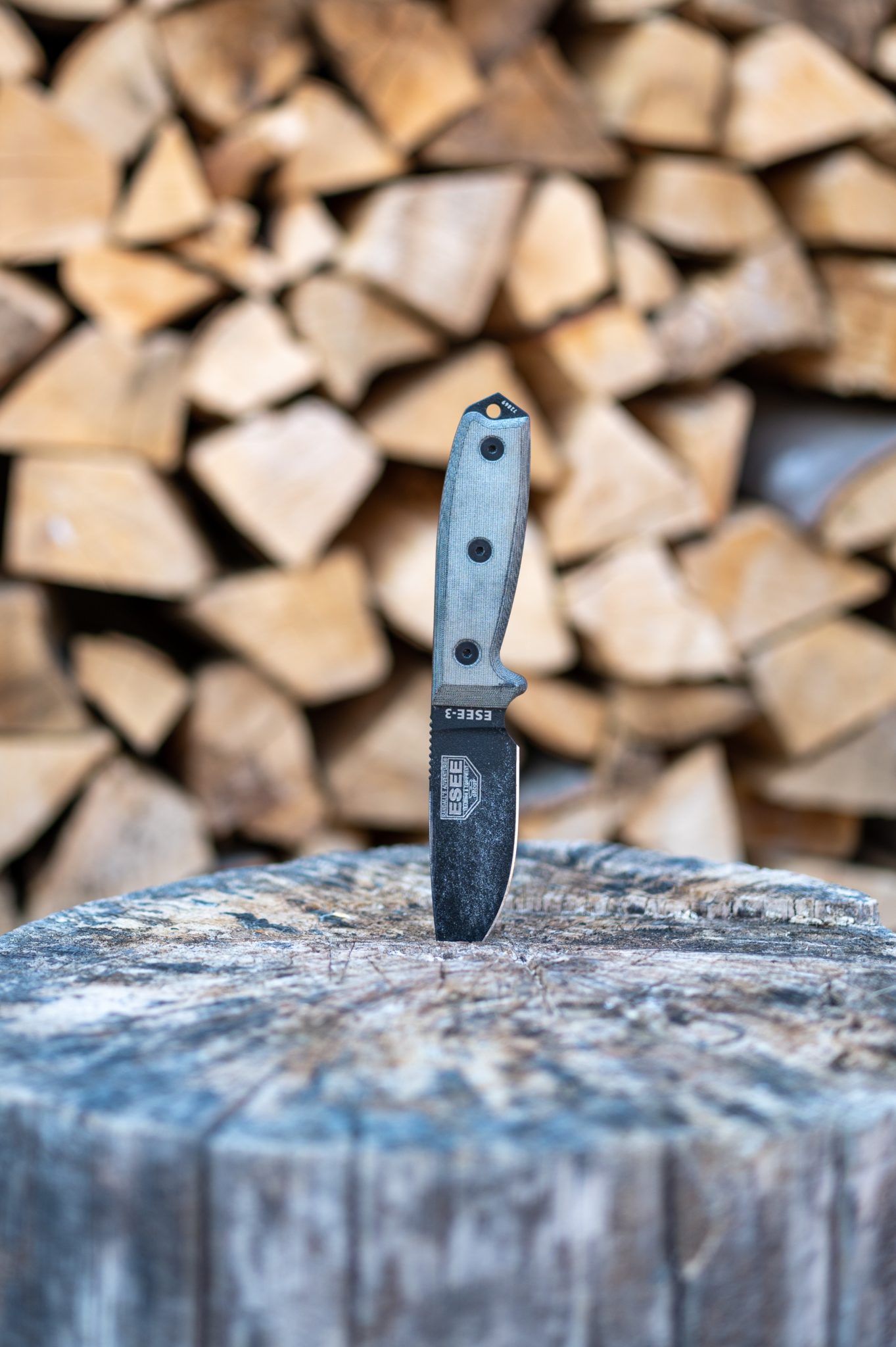
The 7 Best Fixed-Blade Survival Knives – Tested & Reviewed
-
 Best in Class Reviews4 years ago
7 Great Sleeping Bags for Tall People – 2023 Review
-
 Backpacking Gear Reviews & Guides5 years ago
7 Best Solar Panel Trail Cameras – Reviewed
-
 Best in Class Reviews4 years ago
Top 7 Best Microspikes for Hiking – 2023 Review